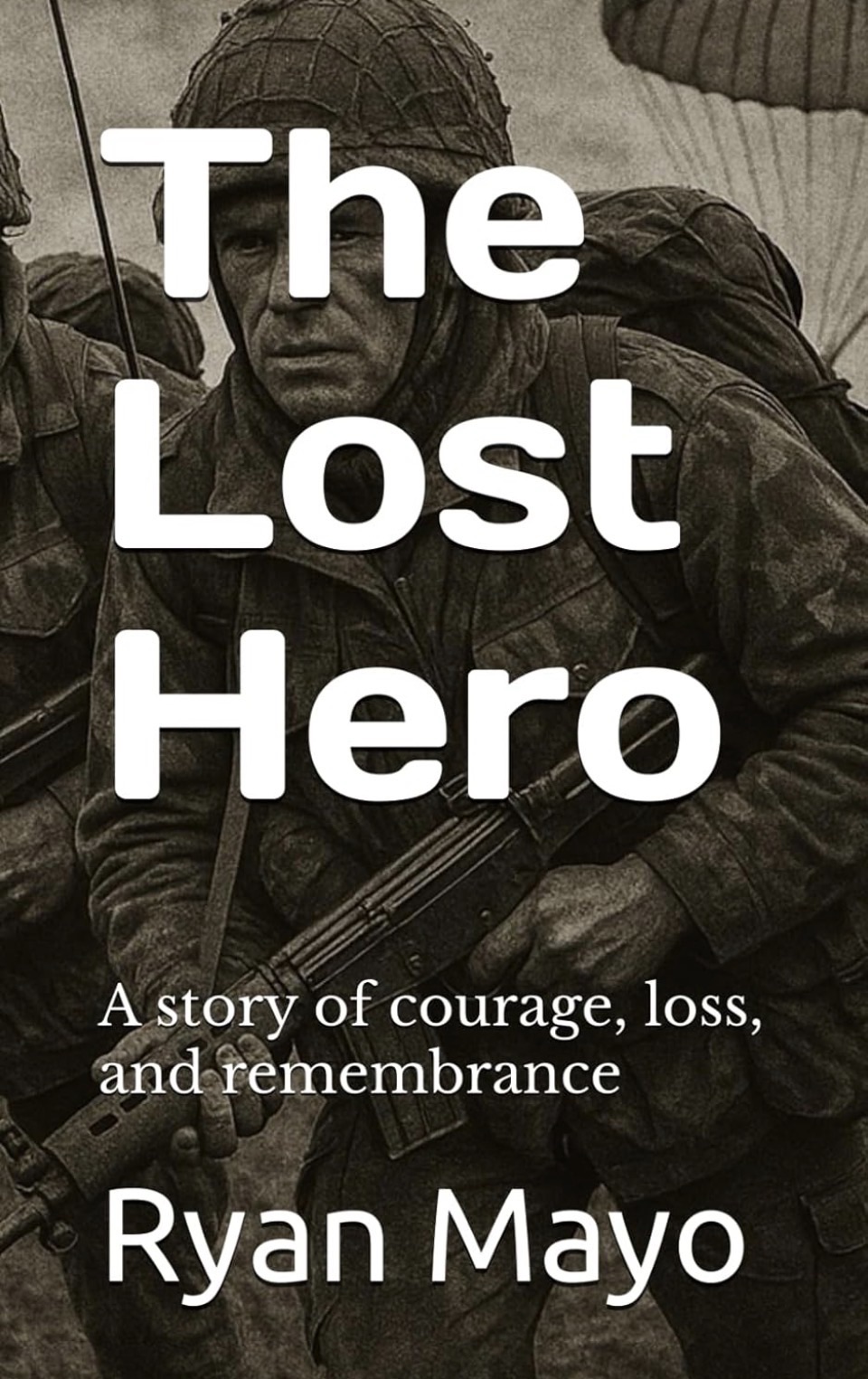
There’s a big difference between wanting to write a book and needing to write one.
The Lost Hero sits firmly in the second camp.
I didn’t wake up one morning and decide, out of nowhere, “I’m going to be an author.” The story grew out of years of lived experience – service, friendships, loss, and watching the slow, painful impact of age and illness on people I care about.
A Veteran Writing About Veterans
I served in the British Army, and like a lot of veterans, I came away with more than just memories. You carry things with you – smells, sounds, faces, split-second decisions that never really leave.
Over the years I’ve spent time with other veterans, some my age, some much older. I’ve sat in cafés, at breakfast clubs and in care homes listening to men in their 80s and 90s talk about things they’ve never told their families in full. A joke here, a dark memory there, a pause that says more than any sentence could.
Those conversations were a big part of the reason this book exists. I didn’t want those echoes to disappear completely.
Living With Dementia in the Family
Another driving force behind The Lost Hero was dementia.
If you’ve been through it with a loved one, you’ll know: it’s a cruel disease. You lose someone twice – once in their mind, and then again when their body finally lets go. You cling to flashes of the person they were, even as they slip away in front of you.
William Clarke, the elderly veteran in the story, is shaped by that reality. He’s a man whose past is still vivid, but whose present is fragile. Some days he’s back in uniform in his own head. Some days he barely knows who’s in the room.
Writing William was painful at times, but it felt important. I wanted to show the long shadow of war and illness – not just on the person going through it, but on the family desperately trying to hold everything together around them.
Honouring the Invisible Heroes
When we talk about “heroes”, we usually picture the ones in uniform. But the more time I’ve spent with veterans and their families, the more I’ve realised how many other kinds of bravery exist quietly in the background.
That’s why The Lost Hero isn’t just about soldiers.
It’s about:
Partners pacing the floor, waiting for news. Sons and daughters trying to understand a parent who came back… but never quite came home. Carers in care homes who treat our older generation with dignity when so much else has been stripped away.
Characters like Margaret, Sarah, Elaine and Piotr were my way of honouring those people. They don’t carry rifles, but they carry everything else.
Turning Experience into Story
The Clarke family are fictional, but the emotions behind them are very real.
William carries the weight of past service.
Michael represents the modern veteran, juggling loyalty, guilt and responsibility.
Margaret and Sarah hold the home front together.
Elaine stands in the middle, pulled in every direction.
And around them are the blokes on the ground and the staff in the care corridor, all playing their part.
I wanted readers – whether they’ve served or not – to feel like they were stepping into a real family, with all the mess, love, humour and pain that comes with it.
What I Hope Readers Take Away
If you pick up The Lost Hero, my hope is that you come away with three things:
Respect – for those who’ve served, and for those still dealing with the aftermath. Recognition – if you’re a veteran, a family member or a carer, I hope you see something of yourself on the page. Remembrance – not just of battles and medals, but of the quiet everyday courage it takes to keep going.
This book is my tribute – to my own experiences, to the veterans I’ve met, and to the families who stand beside them.
If this resonates with you, I’d be truly grateful if you’d:
Share this post, Tell a friend about the book, or Leave a review if you’ve already read it.
Those small actions make a huge difference to an indie author trying to get a story like this out into the world.


 ryanmayodaily
Leave a comment