ryanmayodaily

Daily blog

  • Self-Publishing vs Traditional: The Real Pros & Cons

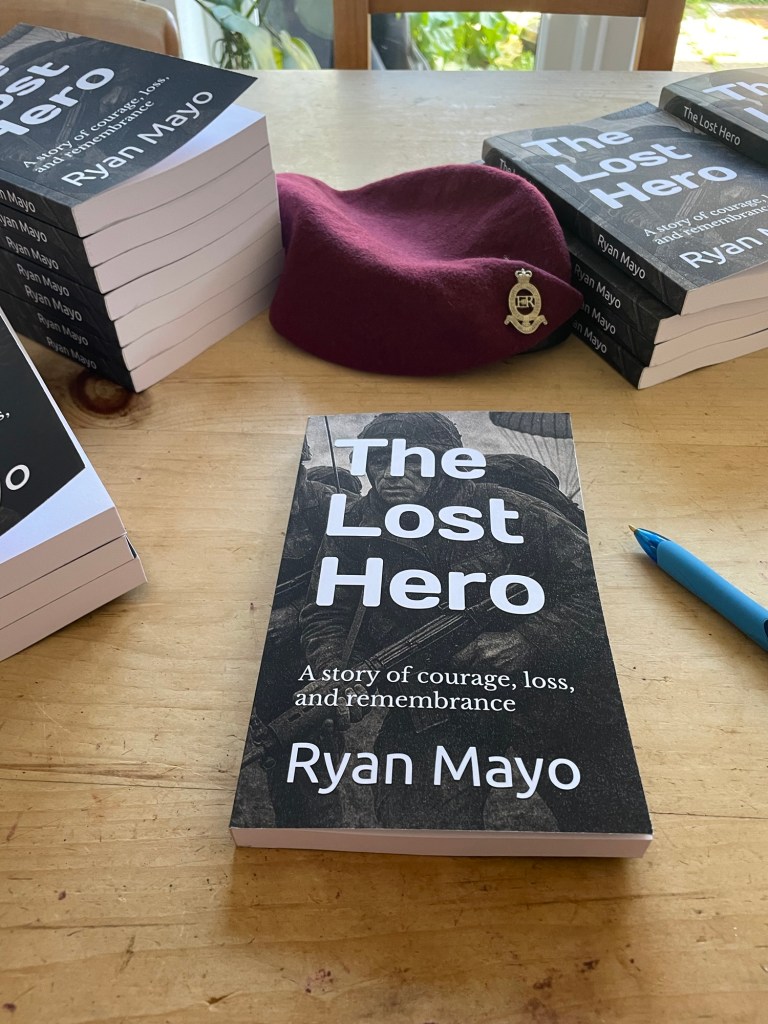
    I’ve been living the self-publishing life with The Lost Hero. It’s equal parts graft and grin: formatting pages at midnight… then feeling a jolt of pride when it finally looks and reads like a real book. Here’s my honest take for anyone weighing it up.

    Why Self-Publishing Can Be Brilliant

    Creative control. You call it—cover, title, blurb, final cut. No committee. Speed. Once it’s ready, you can publish in days rather than waiting a year+ on a schedule. Direct connection. You talk to readers yourself at events and online—feedback is immediate and personal. Flexible pricing & updates. You can tweak price, categories, keywords, even fix typos after launch. Self-respect & satisfaction. Doing the hard bits yourself is exhausting—and genuinely rewarding.

    Why Self-Publishing Is Hard Work

    Production quality is on you. Getting the manuscript to look like a book (not a messy printout) takes time and care: Proper chapter breaks (no chapters starting halfway down the page) Consistent styles (headings, body text, indents, spacing) Clean front/back matter (title page, copyright, contents, acknowledgements, author note) Widows/orphans control and tidy page flow eBook vs paperback differences (page breaks, images, tables, margins) Marketing is on you. You book events, pitch local media, build social posts, collect reviews, and keep turning up—even when it’s quiet. Budget & time. Editing, proofreading, cover design, ISBNs (if you buy your own), author copies, travel to signings. And the hours—lots of them.

    Why Traditional Publishing Is Attractive

    A professional team. Structural editor, copyeditor, proofreader, typesetter, cover designer—the whole shop. Distribution & PR. Relationships with bookshops, libraries, reviewers, festivals, and book clubs—your book gets seen. Validation. If they take your manuscript, they believe it can sell. That’s a vote of confidence. Less DIY. They handle printing, metadata, catalogues, and most logistics.

    But there are trade-offs: timelines are slower; you’ll still be expected to promote; you’ll have less control; and royalties per copy are often lower.

    The Middle Ground (Worth Knowing)

    Hybrid / assisted publishing and going indie with a hired team can work—just scrutinise contracts and costs. If you pay a company, make sure you understand exactly what rights, print files, and timelines you retain.

    What I’ve Learned Doing It Myself

    Formatting is a craft. Styles > manual spacing. Page breaks > a sea of returns. Test in the platform previewer (for both eBook and paperback) until it looks like a bookstore copy. Keep readers first. Clean fonts, sensible margins, consistent chapter starts, and a contents page that works. Plan the launch. Reviews (Goodreads/Amazon), a simple press kit, two or three signing events, and regular posts beat one big blast. It’s okay to feel stretched. You’re author, editor, designer, and publicist. One step a day still moves the book.

    So… Which Path Should You Choose?

    If you crave control, speed, and hands-on learning, self-publishing can be a brilliant route. If you want scale, distribution, and a professional safety net, aim traditional and keep submitting. If you’re like me, you may do a bit of both over time—self-publish one book, pitch the next. There’s no single “right” route, only the one that gets your story to readers with quality and integrity.

    My bottom line: self-publishing is harder than it looks—and that’s exactly why the satisfaction lands so deeply when a reader messages to say the book meant something.

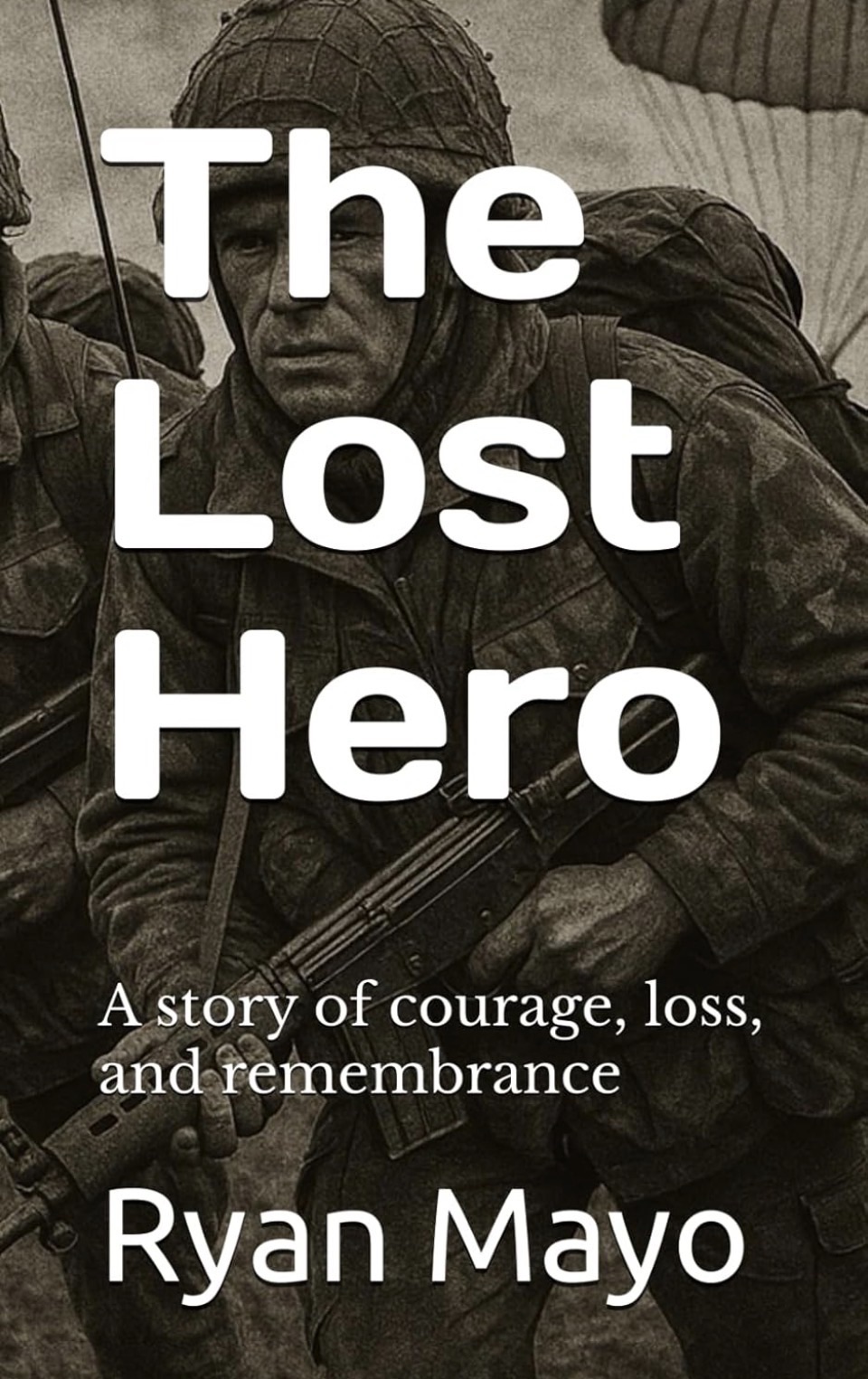
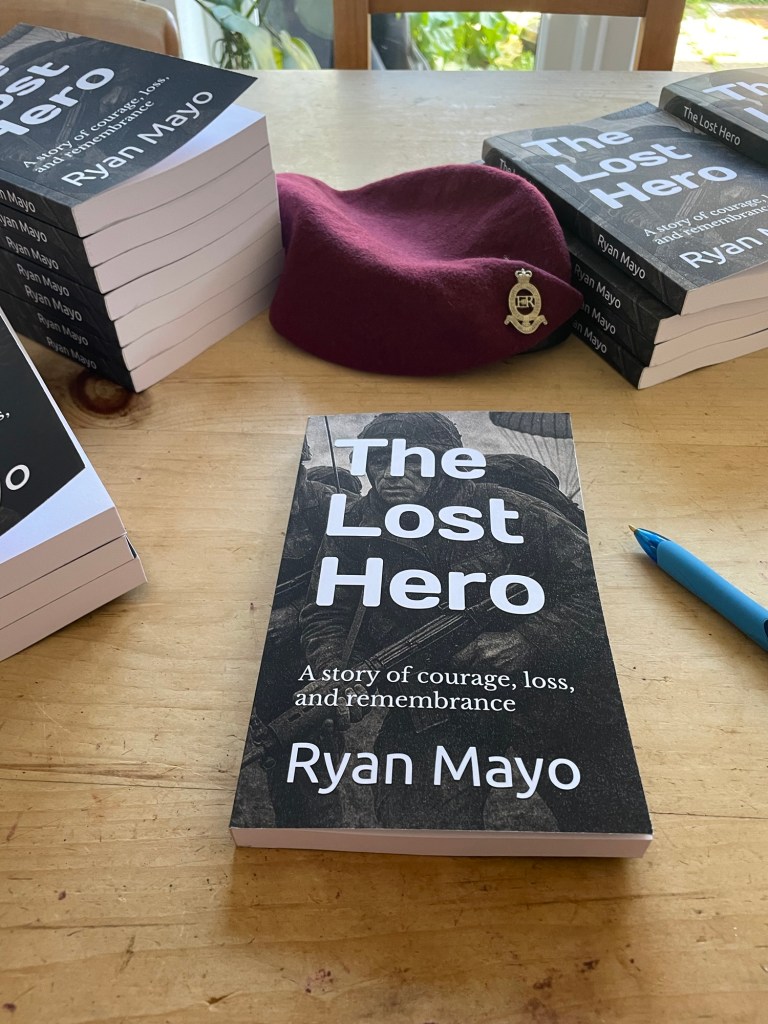
    Read the book: The Lost Hero is out now on Kindle (link in my bio/profile).

    Next post: “Behind the Scenes—Research Sources, Kit Lists, and Why the Compass Matters.”

    Quick Checklist for Self-Publishers

    Structural edit → copy-edit → proofread (fresh eyes each pass) Consistent Word/Docs styles (H1/H2/body); no manual formatting Insert page breaks at chapter ends; ensure chapters begin at the top Tidy front/back matter; generate a working Table of Contents Check eBook & paperback separately in the previewer Set categories/keywords that match the book readers are searching for Line up ARC reviewers and two small events or signings Prepare a press kit (bio, book blurb, cover, author photo, contact)

    Self-Publishing, Traditional Publishing, Book Marketing, Indie Author, Formatting, Kindle, Writing Journey, The Lost Hero

  • Over the last few months, The Lost Hero has taken on a life of its own. From chats with veterans over breakfast to messages from readers who’ve connected with Michael and William’s story, I’m incredibly grateful for the support so far.

    But this is just the beginning.

    I’m now working on a couple of new projects that I’m really excited to share with you:

    1. Unsung Hero – A New Military Thriller

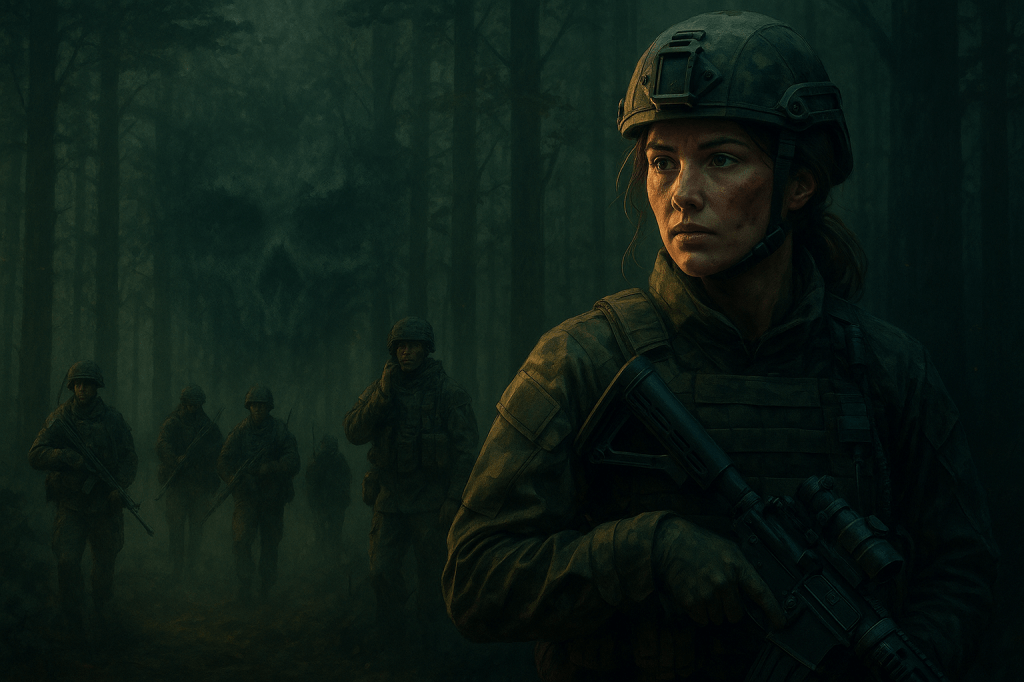
    Unsung Hero is a standalone story set in the near future, following Sarah Clarke, a British Army combat medic and granddaughter of the Clarke family you met in The Lost Hero.

    Deployed with a NATO force to a remote region torn apart by a brutal uprising, Sarah’s patrol is ambushed and she finds herself stranded, alone and behind enemy lines. With limited supplies and danger in every direction, she must use her training, courage and sheer will to survive – while still trying to live up to her oath to save lives.

    This story will carry the same themes of duty, sacrifice and resilience, but from a modern, frontline perspective – and through the eyes of a woman fighting to be heard and to stay alive.

    2. The Sky Lantern Saga – Children’s Adventure Series

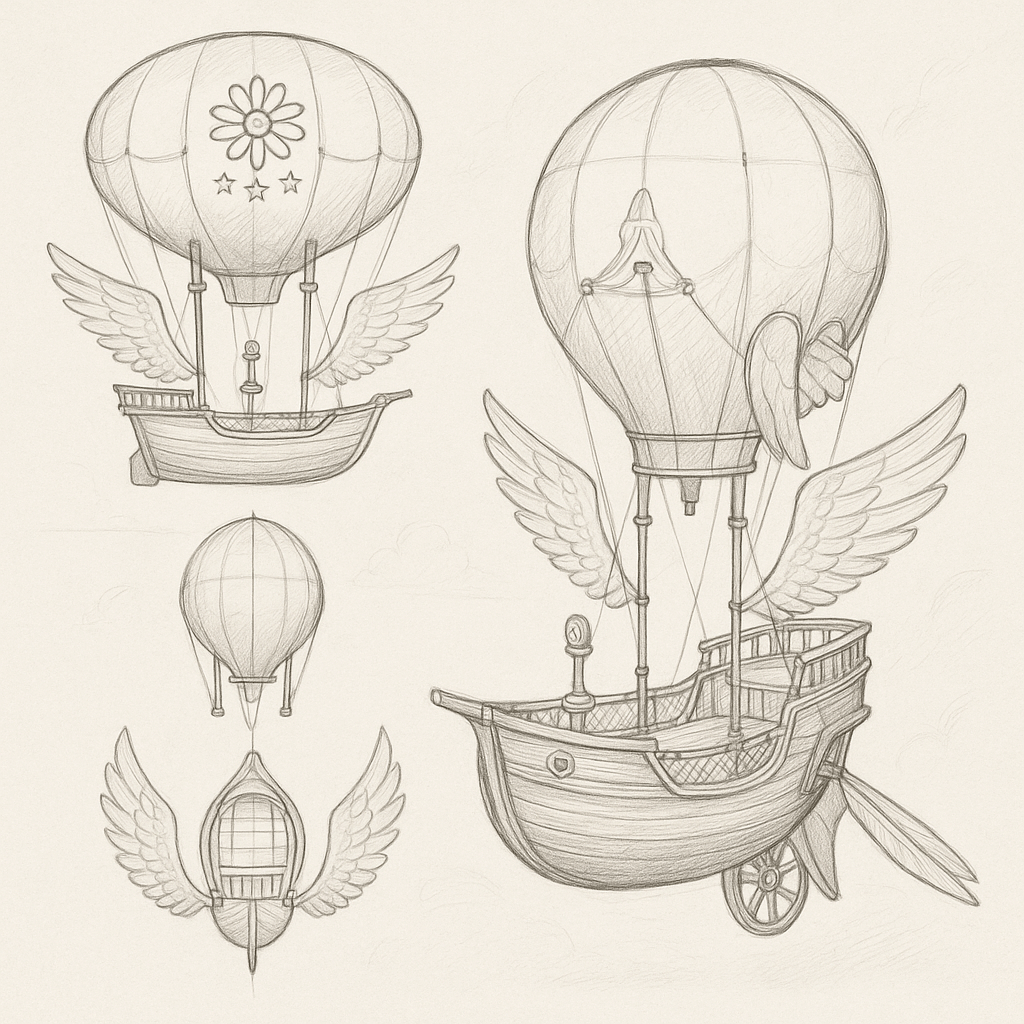
    Alongside the heavier stuff, I’m also working on something magical and family-friendly: The Sky Lantern Saga – a series of children’s books based on Pops and his grandchildren going on incredible adventures in a flying sky lantern airship.

    Together they’ll visit different countries, meet mythical creatures, and learn important lessons about kindness, courage and looking after each other. The heart of the story is a special heart compass – one point to North, the other pointing always to kindness.

    Each country will become its own short, illustrated adventure, perfect for bedtime stories and for children (and grandparents!) to enjoy together.

    These projects are still in development, but I’ll be sharing updates, sneak peeks and progress here on the blog, as well as on my social media.

    Thank you again for walking this path with me – as a veteran, a writer, and now an author building new worlds and new stories.

    Watch this space.

  • Time is precious

    Lately I’ve been thinking a lot about time.

    I had 6 weeks off work recently and used that space to sit down (with a bit of help from fellow Veterans) and finally write The Lost Hero. Six weeks turned a long-held idea into a real book.

    Now I’m back at work, juggling shifts, family life, and organising book events with Care for Veterans and Blind Veterans – and it’s hit me how precious time really is.

    We all live fast-paced lives: full-time jobs, kids, grandkids, friends, responsibilities, hobbies. It’s easy to say, “I’ll do it when things quiet down.” Truth is, they rarely do.

    So I’m reminding myself – and you – to:

    Make time for family and friends Make time for fun and laughter Make time for your dreams and projects And don’t forget a bit of time just for you

    Time is the one thing we never get back.

    What we choose to do with it is everything.

    💬 What’s one thing you’re going to make time for this week?

  • I wrote The Lost Hero so veterans would nod—and civilians wouldn’t need a translator. That meant two promises: keep the soldiering real and tune the language so anyone can follow the heart of the scene.

    What I Kept Gritty (the soldier bit)

    Kit behaves like kit. Webbing snags, bergens drag, boots bite, SLRs feel like they weigh the same as small planets. Radio cadence. Orders are short, clear, and barked like they mean it. Admin matters. Dry socks, folded jumpers, squared-away berets—competence is character. Humour as armour. Banter cuts the fear down to size (used like a tourniquet, not a laugh track).

    What I Tidied (the reader bit)

    Profanity dialled down. British soldiers can swear to Olympic standard. I trimmed the F-bomb forest so the story breathes—and so families can read without blushing. Acronyms translated. First use gets a plain-English gloss; after that, we crack on. Slang in moderation. Enough to taste authentic, not enough to require a field linguist. Gore implied, not dwelt on. Consequence over spectacle.

    Why I Did It

    Pace: Cleaner lines move faster under fire. Reach: I want veterans, families, and general readers at the same table. Respect: Real people live behind these pages. Truth first; shock last.

    Soldier-to-Civilian Pocket Guide (with a grin)

    Basha → Makeshift shelter Bergen → The rucksack that thinks it’s your commanding officer Brew → Tea (also morale) Admin → Personal organisation (how you show you care) Stag on → Guard duty Tab → Loaded march (bring feet) NAAFI → Canteen/tea-and-snacks salvation Scran → Food Gash → Rubbish/unusable kit Oppos → Mates/battle buddies Ally → Looks cool and works Biff → Temporarily unfit/held back

    How the Dialogue Works (Spice Levels)

    Think of it like tea strength:

    “Brew weak” for bedside tenderness—plain speech, soft edges. “NAAFI strong” for contact scenes—short, clipped, a little salt. “Sergeant’s flask” exists, but I’ve kept the lid on. If your inner NCO thinks there should be more swearing… feel free to mentally supply it.

    A Tiny Before/After (tone, not content)

    Barracks-real: “Get your *&%$ kit squared away and move!” Book-real: “Square your kit. Move.” Same urgency, less static on the net.

    Bottom Line

    The soldiering stays true; the language stays welcoming. Rated 12A on swearing, 18 on heart.

    Read the book: The Lost Hero is out now on Kindle (link in my bio/profile).

    Next post: “Behind the Scenes — Research Sources, Kit Lists, and Why the Compass Matters.”

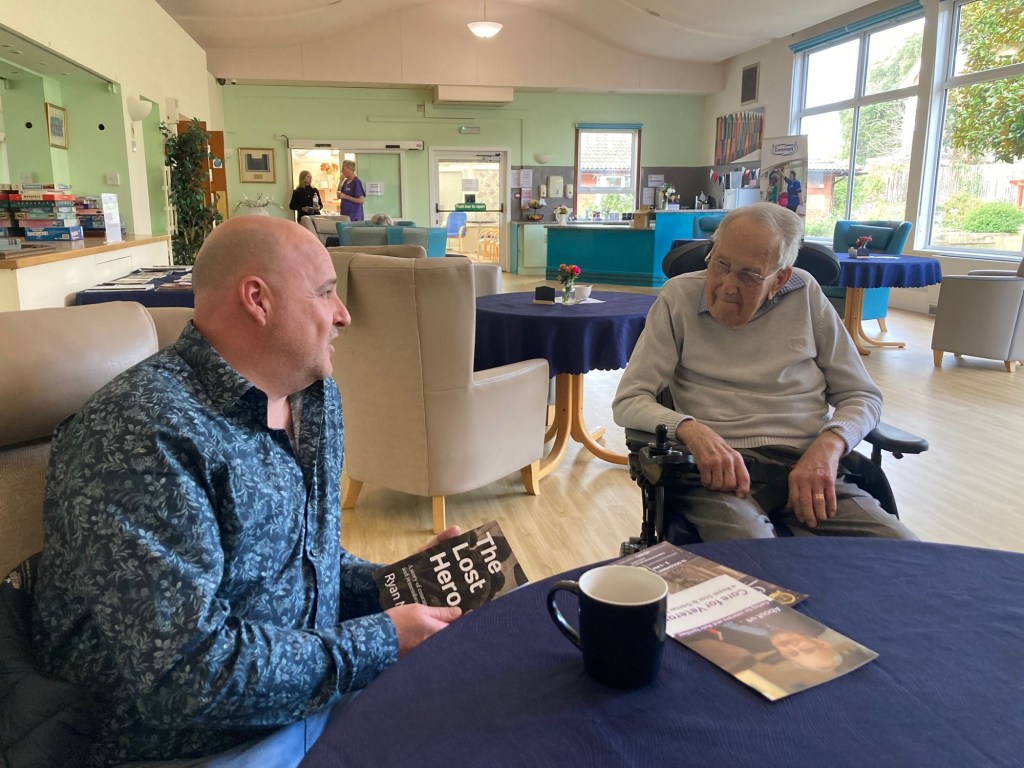
  • Yesterday I visited Care for Veterans in Worthing with my brother Kerry Mayo, who serves as an ambassador for the charity. Watching him in that role made me proud—his commitment honours our family’s service, from my own years in uniform to my son who’s serving today.

    We spent time with Ron, a World War II veteran now in his 102nd year. I read him a few paragraphs from The Lost Hero—quiet, steady minutes that felt like a handshake across generations. Before I left, I was invited back to give a talk about the book, why I wrote it, and the people who shaped it. Huge thanks to Clare Silva (High Value Events & Corporate Manager) and Nick Francis (Veteran Network Liaison Officer) for the warm welcome and the invitation.

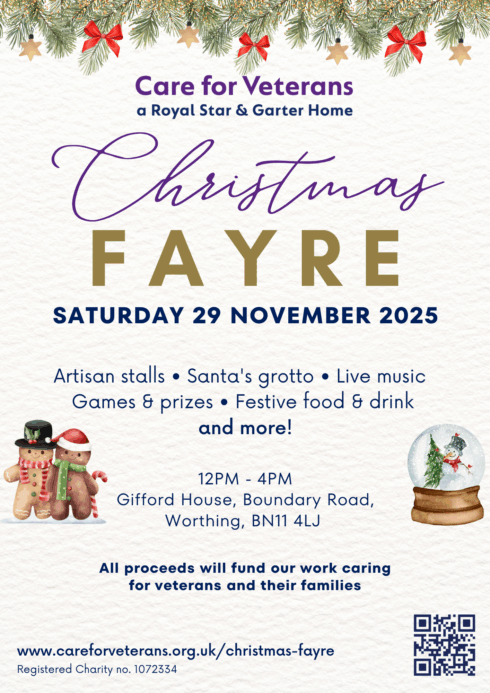
    Event note: I’ll be at the Care for Veterans Christmas Fayre on Saturday, 29 November 2025, with a stall—happy to chat and sign copies of The Lost Hero if you’re looking for a meaningful gift and a way to support the charity.

  • I didn’t write The Lost Hero from a library seat. I wrote it with drill-square dust still in my bones. I joined young, passed P Company, served in the Royal Artillery through the ’90s as a signaller and driver, and learned the simple truth that carries a soldier through: do the simple things right.

    What My Service Gave the Story

    Time discipline. Five minutes early, always. That rhythm sets the pace of scenes—the way men move, wait, and act. Kit realism. Webbing digs, boots bite, bergens pull. The book treats equipment like characters, because soldiers live inside their kit. Humour as armour. The banter that cuts fear down to size shows up in every tight moment. It’s not decoration; it’s survival. Radio ears. Years on the net tuned me to how orders actually sound—short, precise, no fluff. That cadence lives in the flashbacks. Map-and-compass thinking. Bearing, checkpoint, resection; keep a line and adjust as needed. It’s how I built the narrative, and why the compass matters so much in the book.

    From the Square to the Page (Specific Passes)

    Bedside chapters: The tidiness—beret squared, jumper folded, boots aligned—comes from inspections that never quite leave you. Care is shown through admin. Contact scenes: Movement by bounds, short sharp orders, that split-second where training chooses for you—all lifted from muscle memory. Aftermath: The quiet jobs—counting heads, checking kit, making brews—because the end of danger is never the end of work.

    The Veterans Who Shaped the Truth

    I built the storyline on conversations with veterans from different eras—over breakfasts, long walks, and recorded chats. Some names I can share, some I keep back out of respect. Fred, a legend into his late 80s, gave me the steady tone of old soldiers: plain speech, no theatrics. Others filled in textures I couldn’t know first-hand:

    Belfast patrols (’70s): Beat patterns, kit carried, what a doorway feels like when your back’s against it. Jungle routine (’60s Borneo): Wet kit vs dry kit, leeches, the discipline of silence. Falklands cold (’82): Bog, wind, weight, and what happens to hands when metal freezes.

    I don’t lift whole lives. I build composites: a glance from one man, a phrase from another, a habit from a third—stitched into a truthful scene that names no one and honours everyone.

    Guardrails I Kept

    No stolen valour. If I couldn’t verify it, I cut it. Anonymity first. I changed names, units, timings when needed. The point is respect, not credit. Emotional accuracy over spectacle. Real courage is often quiet—holding a line, watching a mate’s back, making the brew after.

    What Writing Gave Back

    Service taught me to carry weight; writing taught me to carry stories. Sitting with veterans reminded me that memory is a communal act—we keep each other’s pages from blowing away. If The Lost Hero works, it’s because of the men and women who trusted me with their truth.

    To everyone who shared a memory: thank you. I hope I carried it steady.

    Read the book: The Lost Hero is out now on Kindle (link in my bio/profile).

    Tomorrow’s post: “Themes That Carried Me—Memory, Duty, Love (without tipping into melodrama).”

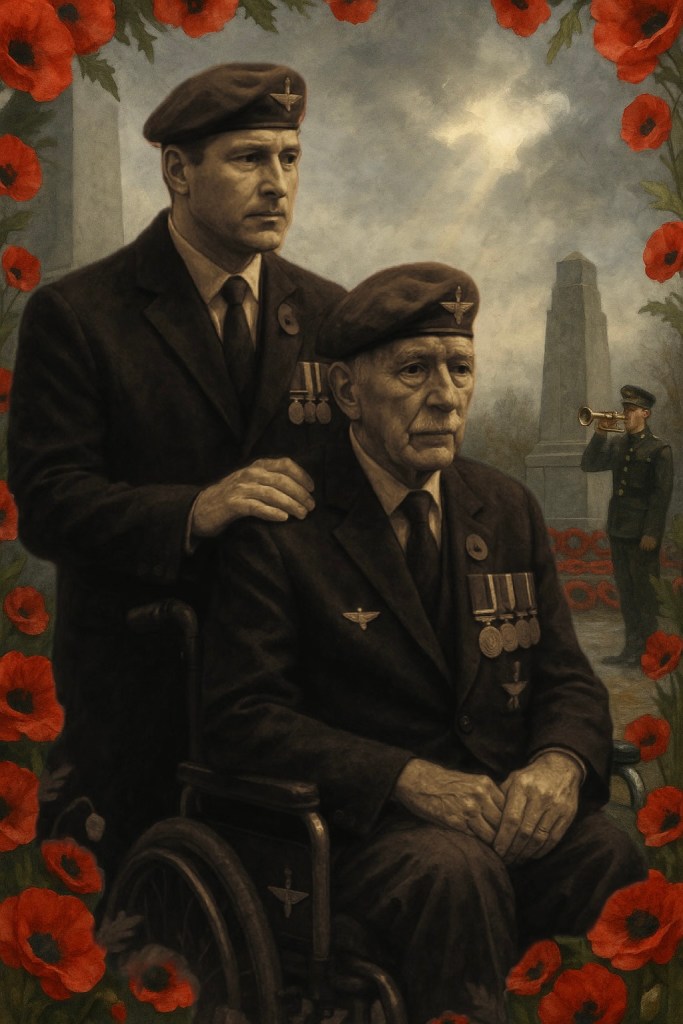
  • The Lost Hero lives or dies on two hearts beating in time: a father whose memories are slipping and a son determined to hold the line. Here’s how I built them.

    William Clarke — “The Cost”

    Logline: A once-unyielding paratrooper facing dementia, William fights his last campaign against forgetting—where courage looks like letting his son lead.

    Core Wound: Years of service carved him into reliability itself; losing memory feels like losing honour.

    Want vs Need: He wants to stand on his own; he needs to accept help, so love can do what strength no longer can.

    Public Face: Dry humour, economy of words, soldier’s posture even in a chair.

    Private Truth: Afraid of becoming a burden. Hates blanks in his own story.

    Strengths: Calm under pressure, loyalty, instinct for the right thing when it costs.

    Flaws/Blind Spots: Stubborn pride; bottles pain; deflects with understatement.

    Triggers: Pitying tones, over-explaining, people moving kit “out of place.”

    Soothers: Rituals (polished boots, folded jumper), familiar smells (Brasso, boot polish, tea), the weight of an old SLR sling in memory.

    Symbolic Objects: The marching compass (steady north), a maroon beret, a dog-eared paybook, the creak of good leather boots.

    Body Language: Chin up, hands still; when lost, thumb rubs the compass lid, eyes scan doorways like they’re arcs to be covered.

    Voice Notes: Understated, clipped, black humour. “Aye,” “Steady on,” “Do the job in front of you.”

    Arc (spoiler-light):

    Ordinary World: A good man in a narrowing room. Tests: Memories arrive out of order; pride fights care. Grace Notes: Moments of perfect clarity—names, smells, weather before contact. Shift: Trusts Michael to “carry the weight” when he can’t. Final Image: Not defeated—simply handed the map to his son.

    Scene Seeds:

    Michael lays out the beret and William’s hands remember the shape before his mind does. A bedside silence breaks with William’s small nod: “Go on, lad.” Parade-ground memory returns with the sound of rain on glass—William calls the cadence, softly.

    Michael Clarke — “The Keeper”

    Logline: A son reading his father back to himself, Michael learns that remembrance is an action—steady, patient, and brave.

    Core Wound: Watching a strong parent fade; fear that love won’t be enough.

    Want vs Need: He wants to fix what can’t be fixed; he needs to bear witness and keep the stories true.

    Public Face: Capable, warm, practical; a doer who turns up early and brings a flask.

    Private Truth: Carries his own shadows; some he shares, some he doesn’t.

    Strengths: Empathy, humour, refusal to quit.

    Flaws/Blind Spots: Over-shoulders responsibility; forgets to ask for help.

    Triggers: Dismissive comments about “just stories,” bureaucracy that treats his dad like a number.

    Soothers: Routine—set time, same chair, pages marked with discreet tabs.

    Symbolic Objects: The reading copy (battered corners), a wreath poppy pressed in a page, visitor’s lanyard, a Thermos that never runs dry.

    Body Language: Leans in, forearm to forearm; when bracing for a hard passage, breathes out through the nose, steadying.

    Voice Notes: Gentle, plain-spoken, lightly teasing. “Right then, Dad,” “Shall we?” “We’re here together.”

    Arc (spoiler-light):

    Ordinary World: The car park, the long walk, the chair by the bed. Tests: Hard chapters; days when William isn’t there to meet him. Shift: Realises the reading is not to restore the past but to honour it. Final Image: Michael still reading—because love keeps time when memory can’t.

    Relationship Dynamic (the heartbeat):

    Friction: Pride vs protection. Bond: Shared humour; soldierly shorthand; silences that say everything. Theme in Action: Service doesn’t end when the uniform comes off—and remembrance is a living duty passed hand to hand.

    Dialogue Cheat-Sheet (for authenticity)

    William: “Light kit, long day.” / “Seen worse weather on a Tuesday.” / “Do the simple things right.” Michael: “Tea first, heroics later.” / “We’ll take it one page at a time.” / “I’ve got you.”

    Sensory Anchors You’ll See Recur

    Sound: Last Post, boot heels on stone, a Thermos cup setting down, rain like distant small-arms. Smell: Brasso, damp wool, mud and soap, fresh polish. Touch: The cold lid of a compass; thumb over enamel cap badge; paper edges catching at a fingertip.

    Read the book: The Lost Hero is out now on Kindle (link in my bio/profile).

    Tomorrow’s post: “Themes That Carried Me—Memory, Duty, and Love (and how I kept them honest without melodrama).”

    Out now on Amazon
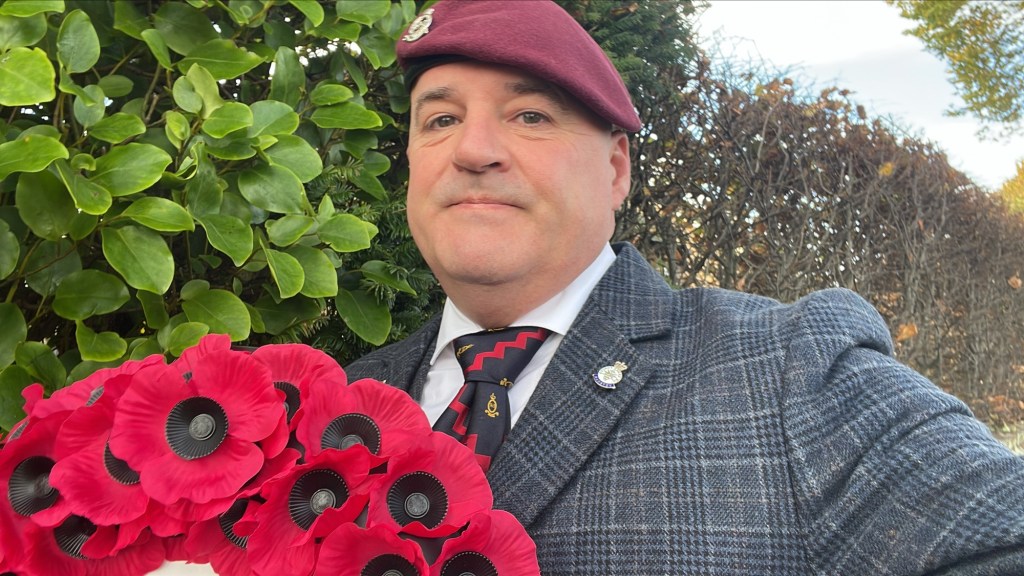
  • This morning, Sunday 9 November 2025, I laid a wreath on behalf of the Veterans Volunteer Service. The square was still, the air bright and cold, and the silence settled like a hand on the shoulder. I felt the weight of it—duty, love, the names we carry.

    I thought about my sister, and the shape of loss that never quite leaves. I thought about McFarlane, a soldier I trained with—funny, sharp, a good man—who lost his fight with PTSD. I said his name quietly and promised not to let his story fade.

    In my pocket I carried my great-grandfather’s marching compass. Its brass is dulled now, but when I hold it, it feels alive—as if it still wants to point somewhere steady. His name was Thomas William Mayo. He served with the Queen’s Regiment (Wessex) and was killed on the Somme on 23 April 1917. Today, the compass felt like a bridge across a century: from mud and wire to poppies and polished stone; from his footsteps to mine.

    Today’s Dedication

    To Thomas William Mayo, who never came home. To Mcfarlane, who carried more than anyone saw. To my sister, whose absence is a daily ache and a lasting light. To the fallen and the missing, and to the families who keep the watch when the parade has passed.

    We say it every year because it has to be said, and because it’s true: We will remember them.

  • From Notebook to novella:

    How I Structured The Lost Hero (and Kept It Honest)

    People think books arrive fully formed.

    Mine began as pencil scribbles, coffee rings, and a tangle of memories. The trick wasn’t finding the story, it was organising it so the heart hit first.

    The Two-Thread Spine

    I built The Lost Hero on a simple, sturdy frame:

    Present Day (Bedside): Michael sits with his dad, William, whose memory is slipping, and reads to him. This is the heartbeat, quiet rooms, soft light, the weight of what’s been lost and what still remains. Service Years (Flashbacks): Each reading session opens a window to William’s past: the jungle grit of Plaman Mapu (1965), the tension of Belfast patrols (early ’70s), and the bitter winds of ’82. These scenes carry the noise, pace, and peril.

    The two threads “talk” to each other. A line Michael reads becomes the cut to a past moment; a detail in the flashback echoes back in the room, a gesture, a phrase, a smell of polish, and we feel memory stitching itself together.

    The Beat Pattern That Kept Me Honest

    To stop the story from drifting, I used a repeating rhythm:

    Quiet: Bedside chapter, truths, tenderness, the cost of time.

    Contact: Flashback chapter, boots, webbing, SLR weight, decisions under pressure.

    Return: Brief present-day reflection, what that memory means now.

    That cadence gave readers time to breathe without losing momentum. It’s also why I kept the book tight, about 28–29k words. Every scene had to earn its place.

    My “Map, Not a Maze”

    I sketched a one-page outline with three movements:

    Act I – Set the Promise: Introduce the reading ritual and the debt of remembrance. Hint at the key chapters of William’s service.

    Act II – Test the Bond: Raise the stakes, harder memories, the risk of forgetting, the pressure on Michael to keep reading.

    Act III – Keep the Light: Bring the story home with meaning, not melodrama, service honoured, love made visible.

    I wrote chapter cards (A6 index cards in a shoebox—proper old-school): setting, objective, one vivid sensory detail, and the emotional turn of the scene. If a card didn’t have a turn, it didn’t make the cut.

    Rules I Wrote On a Post-it Above My Desk

    Truth over tricks. No flashy timelines that confuse more than they clarify. No stolen valour. If a feat felt implausible, it was out. Respect the families. The ones waiting at home are part of every mission. Authenticity isn’t seasoning, it’s the stew. Cam cream, wet socks, basha lines, NAAFI brews, SLR heft, written like someone who’s lived it.

    Keeping the Details Tight

    I pressure-tested chapters against memory and lived practice: how bergens pull on the shoulders, how a trench smells after rain, how humour cuts through fear, how orders sound when they’re barked, not typed. I leaned on conversations with veterans (from my own era and older), then blended that feel into fiction so it honoured truth without naming names.

    Tools & Tactics

    Notebook first. Pencil drafts to avoid over-editing too early. Chapter cards. One card = one purpose. Chapter clocks. I noted estimated reading time per chapter to keep pace snappy. Language pass. British military terms throughout, no Americanisms creeping in. Read-aloud test. If dialogue clanged in the ear, it got rewritten. And having to create a book that anyone can understand and not fill it with military jargon.

    What Got Cut (and Why)

    Extra kit dumps and technical digressions, great for a manual, death for pace. Repeated patrol beats. One sharp scene says more than five similar ones. Anything that flattered the author. The story belongs to William and Michael.

    Why This Structure Serves the Heart

    The bedside thread carries love; the flashbacks carry cost. Woven together, they say: service never truly ends, and remembrance is a living act. That’s the promise I made to the reader, and to the people who inspired the book.

    Read the book: The Lost Hero is out now on Kindle (link in my bio/profile).

    Tomorrow’s post: “Character Deep Dive—William & Michael Clarke (and what each is really fighting for).”

  • How I Came Up With The Lost Hero

    There wasn’t one single “eureka” moment for this book, more a chain of small sparks that finally caught.

    One spark came from my own service. I joined the British Army young, passed P Company, and served in the Royal Artillery through the 1990s. Soldiering leaves you with a certain way of seeing the world: how a room sounds when boots hit the floor at first light, how a joke lands after a hard day because it has to, how a mate’s nod can carry more reassurance than a speech. I wanted to bottle that feeling, discipline, camaraderie, fear, pride, and pour it into a story that felt honest.

    Another spark was time spent with veterans, from lads my age to legends like “Fred,” 91 and still sharper than most of us. Over breakfasts and long walks, I heard the kind of stories that get lost if someone doesn’t write them down. Not just battles, but the in-betweens: boredom, banter, grit, and quiet acts of courage no one ever sees. Those conversations convinced me this book should be a salute, not just to those who served, but to those who waited at home.

    The final spark was closer to the bone: watching someone I love fade into dementia. It changes the shape of memory. You realise how fragile our stories are, and how vital it is to hold on to them. That’s where the heart of The Lost Hero came from: a son reading to his father, knitting together the past so it won’t unravel.

    The Concept I Chased

    I wanted a father–son story set against the backdrop of British airborne history, intimate in scale, big in feeling. The present-day thread is simple: Michael sits with his dad, William, whose memory is slipping, and reads to him. As the pages turn, we cut to the life William lived: young, sharp, and stubborn; a paratrooper standing his ground when it counted.

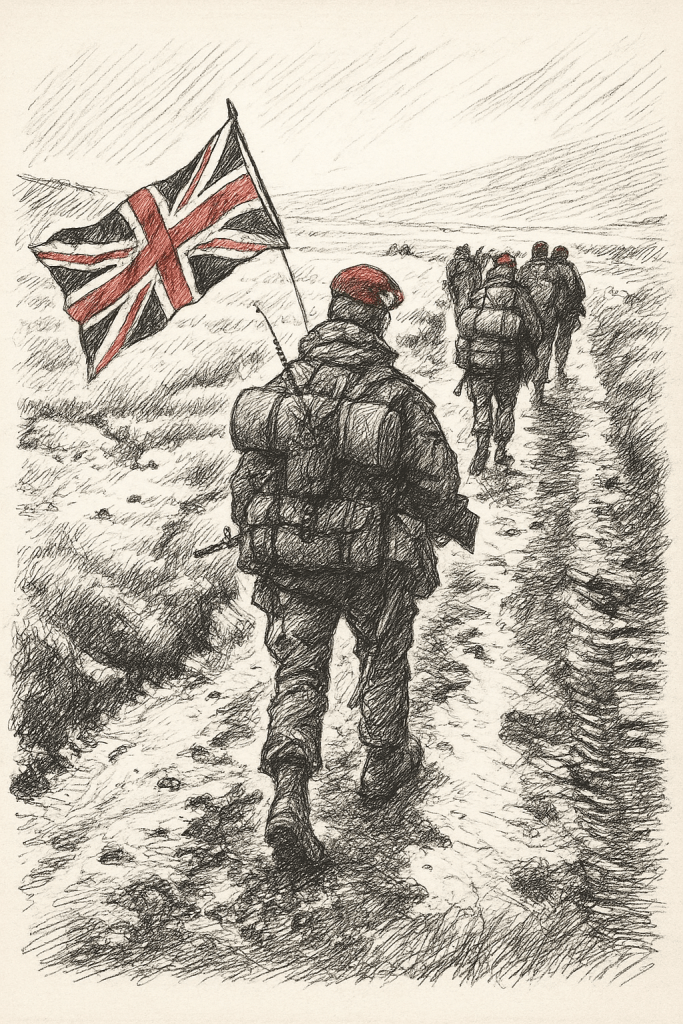
    Those flashbacks travel through real moments that shaped generations: the jungle fight at Plaman Mapu in 1965, street patrols in Belfast in the early ’70s, and the bitter cold of the Falklands in ’82. I built the scenes around details soldiers will recognise, wet webbing, cam cream, SLR heft, the smell of boot polish, because authenticity isn’t a garnish; it’s the meal.

    Structurally, I wanted rhythm: quiet, tender chapters at the bedside; then the heat and noise of soldiering; then back again to the soft light and the creak of a chair. That contrast does the emotional lifting. It says: this is the cost, and this is the love that pays it.

    Why Fiction (Not Memoir)

    Fiction gave me room to honour truth without naming names. It let me blend the feel of real operations with an original family story, to chase emotional accuracy over documentary detail. The aim wasn’t to write a history textbook, it was to write something that feels true in the chest.

    What I Hope You Feel

    Pride, for the men and women who’ve worn the uniform, and for the families who carried them. Recognition, for the small, unshowy moments of courage we rarely talk about. Remembrance, because memory matters, especially when it’s slipping away.

    A Promise to Readers

    The Lost Hero is my salute, to veterans, to spouses and children, to mates we’ll never forget. If you’ve served, I hope you see yourself here. If you haven’t, I hope this book lets you sit in our world for a while and understand why the bonds run so deep.

    Read the book: The Lost Hero is available now on Kindle (link in my bio/profile).

    Tomorrow’s post: “From Notebook to Novella – How I Structured the Story (and Kept It Honest).”