I didn’t write The Lost Hero from a library seat. I wrote it with drill-square dust still in my bones. I joined young, passed P Company, served in the Royal Artillery through the ’90s as a signaller and driver, and learned the simple truth that carries a soldier through: do the simple things right.
What My Service Gave the Story
Time discipline. Five minutes early, always. That rhythm sets the pace of scenes—the way men move, wait, and act. Kit realism. Webbing digs, boots bite, bergens pull. The book treats equipment like characters, because soldiers live inside their kit. Humour as armour. The banter that cuts fear down to size shows up in every tight moment. It’s not decoration; it’s survival. Radio ears. Years on the net tuned me to how orders actually sound—short, precise, no fluff. That cadence lives in the flashbacks. Map-and-compass thinking. Bearing, checkpoint, resection; keep a line and adjust as needed. It’s how I built the narrative, and why the compass matters so much in the book.
From the Square to the Page (Specific Passes)
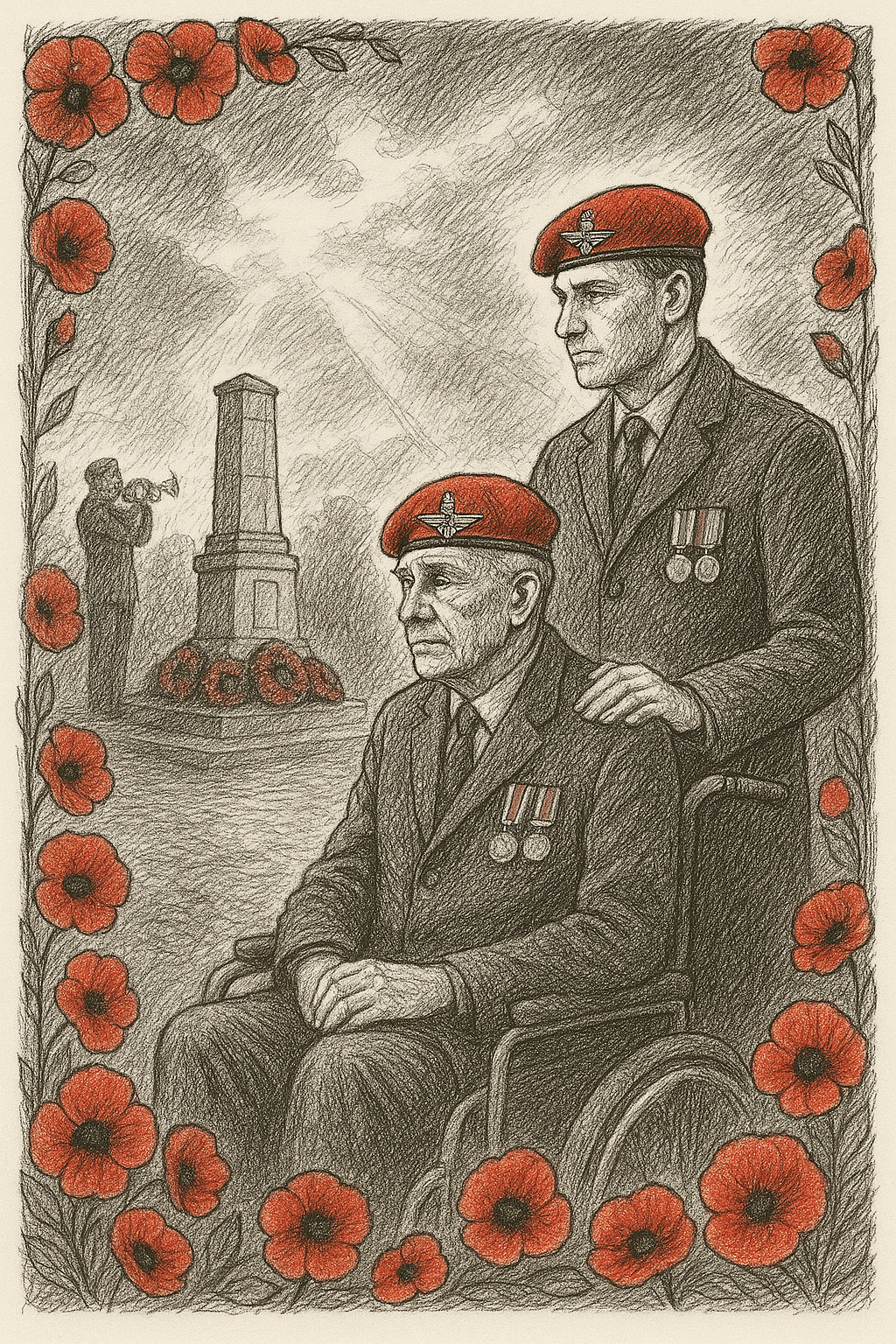
Bedside chapters: The tidiness—beret squared, jumper folded, boots aligned—comes from inspections that never quite leave you. Care is shown through admin. Contact scenes: Movement by bounds, short sharp orders, that split-second where training chooses for you—all lifted from muscle memory. Aftermath: The quiet jobs—counting heads, checking kit, making brews—because the end of danger is never the end of work.
The Veterans Who Shaped the Truth
I built the storyline on conversations with veterans from different eras—over breakfasts, long walks, and recorded chats. Some names I can share, some I keep back out of respect. Fred, a legend into his late 80s, gave me the steady tone of old soldiers: plain speech, no theatrics. Others filled in textures I couldn’t know first-hand:
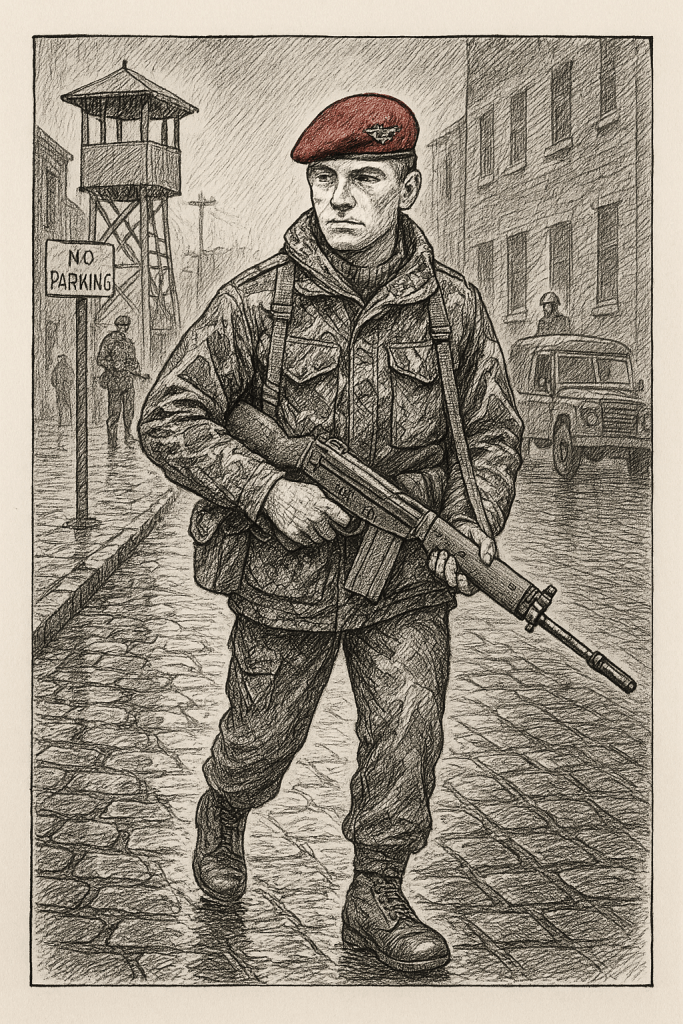
Belfast patrols (’70s): Beat patterns, kit carried, what a doorway feels like when your back’s against it. Jungle routine (’60s Borneo): Wet kit vs dry kit, leeches, the discipline of silence. Falklands cold (’82): Bog, wind, weight, and what happens to hands when metal freezes.
I don’t lift whole lives. I build composites: a glance from one man, a phrase from another, a habit from a third—stitched into a truthful scene that names no one and honours everyone.
Guardrails I Kept
No stolen valour. If I couldn’t verify it, I cut it. Anonymity first. I changed names, units, timings when needed. The point is respect, not credit. Emotional accuracy over spectacle. Real courage is often quiet—holding a line, watching a mate’s back, making the brew after.
What Writing Gave Back
Service taught me to carry weight; writing taught me to carry stories. Sitting with veterans reminded me that memory is a communal act—we keep each other’s pages from blowing away. If The Lost Hero works, it’s because of the men and women who trusted me with their truth.
To everyone who shared a memory: thank you. I hope I carried it steady.
—
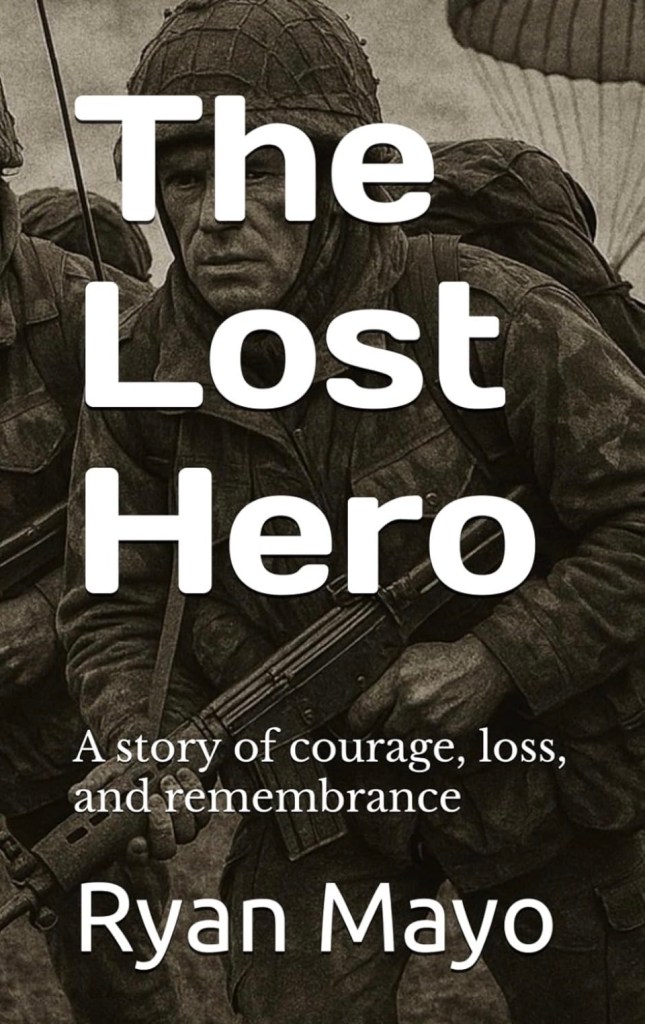
Read the book: The Lost Hero is out now on Kindle (link in my bio/profile).
Tomorrow’s post: “Themes That Carried Me—Memory, Duty, Love (without tipping into melodrama).”

 ryanmayodaily